Renovate The Home You Are Buying!

Stacey Mass • September 13, 2023

The best place to start the mortgage process is with a pre-approval. But once you’ve been pre-approved for a mortgage and you’ve been shopping with location in mind, what happens when you can’t find a suitable property?


There's no doubt about it; finding the perfect property within your price range is a difficult task, especially for first-time homebuyers. So, before buyer’s fatigue sets in, maybe you should consider adding the cost of renovations into your purchase.


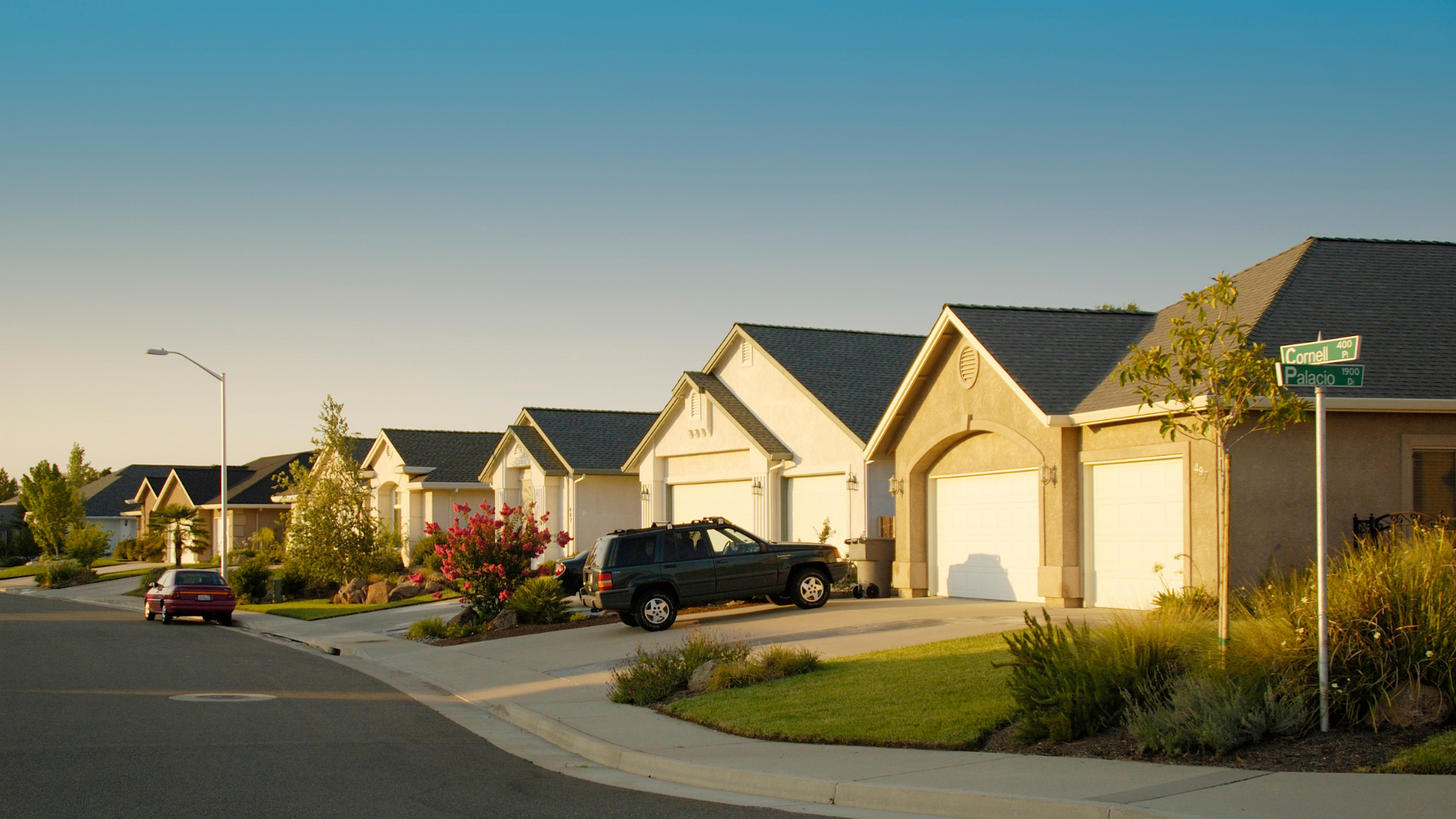
Buying a property and including the cost of renovations into the mortgage is available through a program called purchase plus improvements. When purchasing a home, you can add the cost of home upgrades into your mortgage, making it a great option if you can’t find something move-in ready and aren’t afraid to do a little work!


But while this sounds simple enough, in all honestly, it’s quite the process. There are some pretty strict rules to follow, but nothing that you can’t handle with the guidance of an independent mortgage professional.


Here’s a quick overview of the process. Firstly, you must provide quotes to the lender ahead of time for the work you would like to complete. It’s good to note that the renovations will have to increase the value of the property accordingly. From there, the lender doesn’t give you the money to do the upgrades; you have to come up with that yourself. However, once the work has been completed and verified by an appraiser, the lender will reimburse you and include the money in your mortgage.


This program isn’t for everyone. Buying a home is a stressful endeavour in and of itself. The added stress of having to undertake renovations right away might not be a good idea. But then again, if you have the financial wherewithal to handle the cost of renovations and like the idea of making it yours from the start, then this might be just the option you’ve been looking for!


Please connect directly; it would be a pleasure to walk through the exact process and outline what securing a purchase plus improvements would look like for you!


Stacey Mass, AMP

Mortgage Expert

GET STARTED
By Stacey Mass April 10, 2026
Your credit score is one of the most important numbers in your financial life — especially when it comes to getting a mortgage. But for most Canadians, how that number actually gets calculated remains a bit of a mystery.
By Stacey Mass April 8, 2026
Don’t Forget About Closing Costs When planning to buy a home, most people focus on saving for the down payment. But the truth is, that’s only part of the equation. To actually finalize the purchase, you’ll also need to budget for closing costs —the out-of-pocket expenses that come up before you get the keys. Closing costs can add up quickly, which is why they should be part of your pre-approval conversation right from the start. Lenders will even require proof that you’ve got enough funds set aside. For example, if you’re getting an insured (high-ratio) mortgage, you’ll need at least 1.5% of the purchase price available in addition to your down payment. That means a 10% down payment actually requires 11.5% of the purchase price in cash to make everything work. Let’s break down some of the most common expenses you should prepare for: 1. Home Inspection & Appraisal Inspection : Paid by you, this gives peace of mind that the property is in good shape and doesn’t have hidden problems. Appraisal : Required by the lender to confirm value. Sometimes this is covered by mortgage insurance, sometimes by you. 2. Legal Fees A lawyer or notary is required to handle the title transfer and make sure the mortgage is properly registered. Legal fees are often one of the larger closing costs—unless you’re also responsible for property transfer tax. 3. Taxes Many provinces charge a property or land transfer tax based on the home’s purchase price. These fees can range from hundreds to thousands of dollars, so you’ll want to factor them in early. 4. Insurance Property insurance is mandatory—lenders won’t release funds without proof that the home is insured on closing day. Optional coverage like mortgage life, disability, or critical illness insurance may also be worth considering depending on your financial plan. 5. Moving Costs Whether you’re renting a truck, hiring movers, or bribing friends with pizza and gas money, moving comes with expenses. Cross-country moves especially can be surprisingly pricey. 6. Utilities & Deposits Setting up new services (electricity, water, internet) can involve connection fees or deposits, particularly if you don’t already have a payment history with the utility provider. Plan Ahead, Stress Less This list covers the big-ticket items, but every purchase is unique. That’s why it pays to have an accurate estimate of your personal closing costs before you make an offer. If you’d like help planning ahead—or want a breakdown tailored to your situation—let’s connect. I’d be happy to walk you through the numbers and make sure you’re fully prepared.